Escalation in U.S.-Iran Tensions: A Fragile Ceasefire at Risk
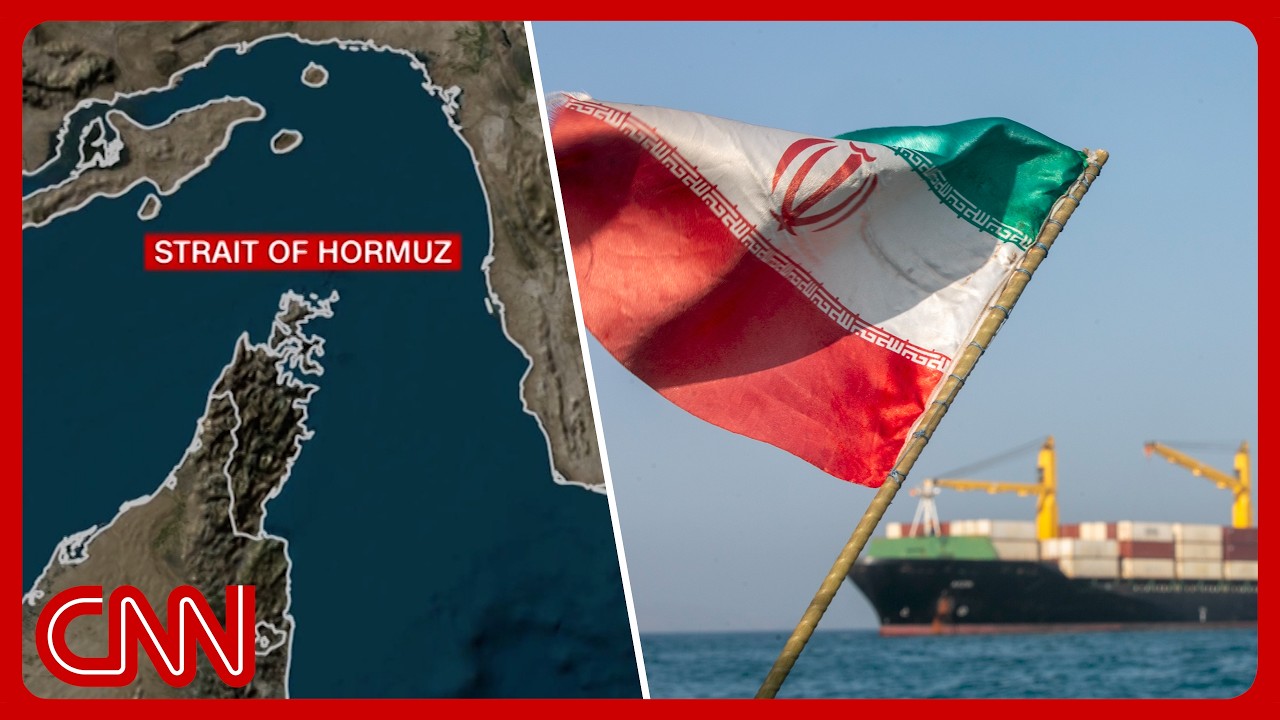
Recent developments in the Middle East have ignited fears of escalating conflict between the United States and Iran, particularly following new attacks attributed to the Iranian Revolutionary Guard Corps (IRGC). The situation has escalated rapidly after U.S. military strikes targeted Iranian positions in response to an attack on a commercial vessel transiting the Strait of Hormuz. This reciprocal exchange underscores the fragility of a ceasefire agreement purportedly in place.
According to reports from U.S. Central Command, the recent U.S. attacks were designed as a "powerful response" to Iran’s aggression that occurred the previous day. The targets of these strikes were missile and drone storage locations, as well as coastal radar sites, which Iran used for its provincial hegemony. This aggressive posture has drawn condemnation from Iranian officials, who accuse the U.S. of violating the spirit of negotiations aimed at achieving a long-standing resolution to regional tensions.
The commentary from both sides reflects a deepening divide. A member of the Iranian parliament condemned U.S. actions as reckless, claiming they undermine the principles of negotiation and ceasefire. This assessment echoes broader sentiments in Tehran, wherein Iranian leadership channels outrage and frames U.S. actions as an unwarranted escalation. Conversely, Vice President Vance’s staunch defense of U.S. measures asserts adherence to the ceasefire, emphasizing that "violence is met with violence." His framing casts doubt on the sincerity of Iranian commitment to peace, hinting at an ongoing cycle of retaliation that complicates the prospects for resolution.
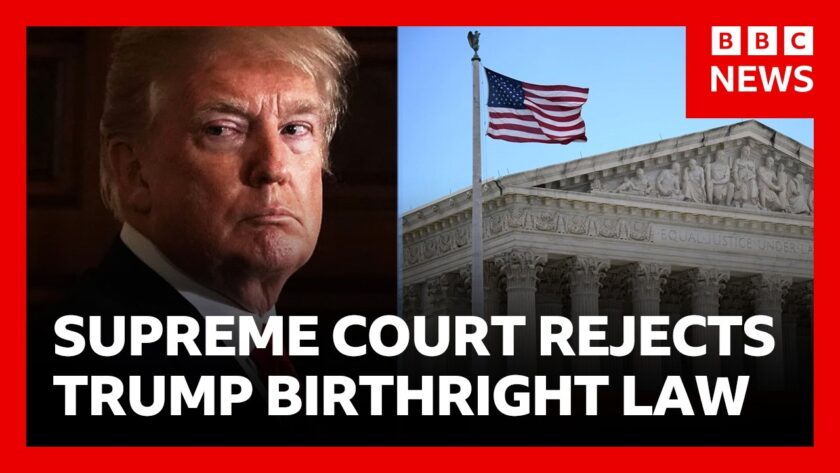
In a stark turn from his previous rhetoric, President Trump acknowledged that Iran still possesses some military capabilities, including remnants of its pre-war missile arsenals. This admission may signal a strategic recalibration in the U.S. understanding of Iran’s military capabilities, contrasting sharply with past declarations of a decimated Iranian military. The president’s statement fuels skepticism among U.S. officials regarding the prospects of a stable peace agreement.
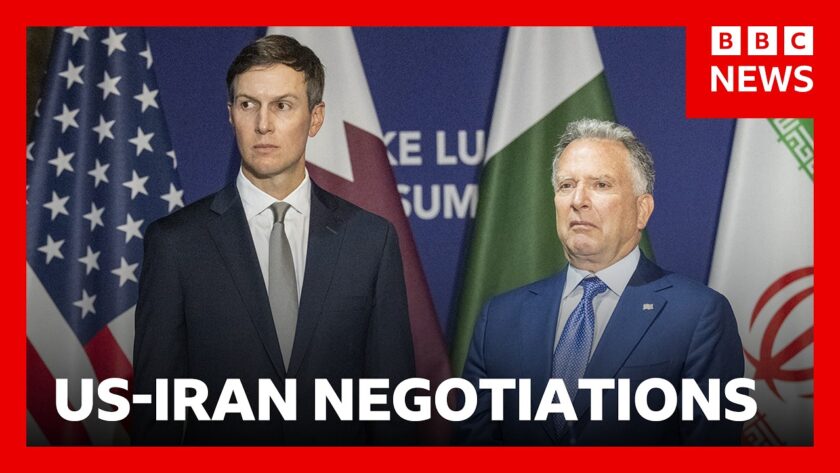
These tensions come on the heels of a peace agreement that was touted just last week. The brief window of optimism surrounding the U.S.-Iran negotiations appears to be closing as both sides engage in increasingly aggressive exchanges. U.S. officials have expressed concern regarding the fragile state of these negotiations, noting that the latest military actions put the ceasefire in jeopardy. They stress that the U.S. strikes are not acts of aggression but rather retaliatory measures necessitated by provocations.
Iran’s recent military actions are emblematic of its confidence in exploiting regional leverage, particularly in critical waterways like the Strait of Hormuz. The Iranian regime seems poised to escalate its activities further, targeting U.S. bases and assets within the region as a method of asserting dominance. This raises alarms among U.S. strategists who worry about the potential for further hostilities, especially if Iranian strikes directly impact significant military installations like those in Bahrain or Saudi Arabia.
Notably, the Iranian Revolutionary Guard’s ongoing influence extends beyond U.S. relations; it encompasses a broader strategy aimed at destabilizing neighboring countries, particularly Israel. This fundamental ideological goal persists despite diplomatic overtures and the potential for regional peace agreements. Reports indicate that the IRGC orchestrates military actions through proxy groups like Hezbollah, continually challenging Israel’s security.
Ultimately, the landscape of U.S.-Iran relations remains precarious. The shifting rhetoric from Washington is a stark reminder that mutual distrust lingers beneath the surface. With both sides entrenched in their positions, the risk of a cycle of retaliation is high. Despite isolated efforts to maintain dialogue and seek de-escalation, the patterns of hostility continue to evolve, casting a long shadow over any prospects for lasting peace.
The path forward remains uncertain. Diplomatic channels will need to remain active while both nations reconcile their conflicting narratives. Without a commitment to diplomacy alongside military deterrence, the fragile state of affairs could very well spiral into a wider conflict—one that both parties claim to avoid yet seem increasingly destined to engage. In this ongoing theater of heightened tensions, the hope for a stable resolution feels ever more distant.